

Ever thought about teaching English in Japan? It’s really not as hard as you think. This article will guide you through the essentials of what you need to live and work in Japan as an English teacher. You’ll learn about the qualifications needed, job options, financial planning, and where to live.
Whether you’re ready to move or just curious, these tips will help you feel prepared. Start your journey with confidence, excitement, and a healthy dose of reality checks.
Quick Recommendation: Our blog is filled with tips and tricks for traveling in Japan. While living and working in Japan, I've had the pleasure of seeing this breathtaking place in Nagano. Some of the best onsen in Japan are in Nagano—it’s also where snow monkeys live their best spa life. Want to see them in action? Don’t miss this tour! ---> Nagano: Snow Monkeys, Zenkoji Temple & Sake Day Trip
1. Have a Bachelor’s Degree
To start teaching in Japan, you need a Bachelor’s degree from an accredited university. This is key for most English teaching jobs in Japan, including getting a work visa. The good news is, your degree can be in any field. You don’t have to have studied English or education.

Many teachers come from different fields like sociology, business, or the arts. It makes it easier for more people to teach English, opening doors for many.
One more thing. If you’ve got a TEFL certificate then congrats—you’ve just earned extra brownie points on your job application! (Sadly, they’re metaphorical brownies, but hey, they still count.)
2. Have a Clean Background
A no-brainer, but when it comes to such a law-abiding country like Japan, a clean background is key. Japan values public safety and community standards a lot. This means they do strict background checks on job applicants coming from overseas.

Any legal trouble in your past can make it hard to get a teaching job or a visa. The schools don’t do deep background checks, but the hiring companies do. So, it’s important to have no major legal issues in your history.
Oh, and don’t sweat the small stuff—speeding tickets or that “totally wild” college party aren’t deal-breakers. Just don’t show up with a rap sheet that makes you look like a yakuza recruit.
3. Know Your Job Options: Research English Teaching Positions in Japan
If you’re thinking about teaching English in Japan, it’s key to know your job options. You’ll mainly find two types: ALT (Assistant Language Teacher) roles and Eikaiwa (private conversation schools). Each offers a different experience that can shape your teaching path.
ALT Pros & Cons
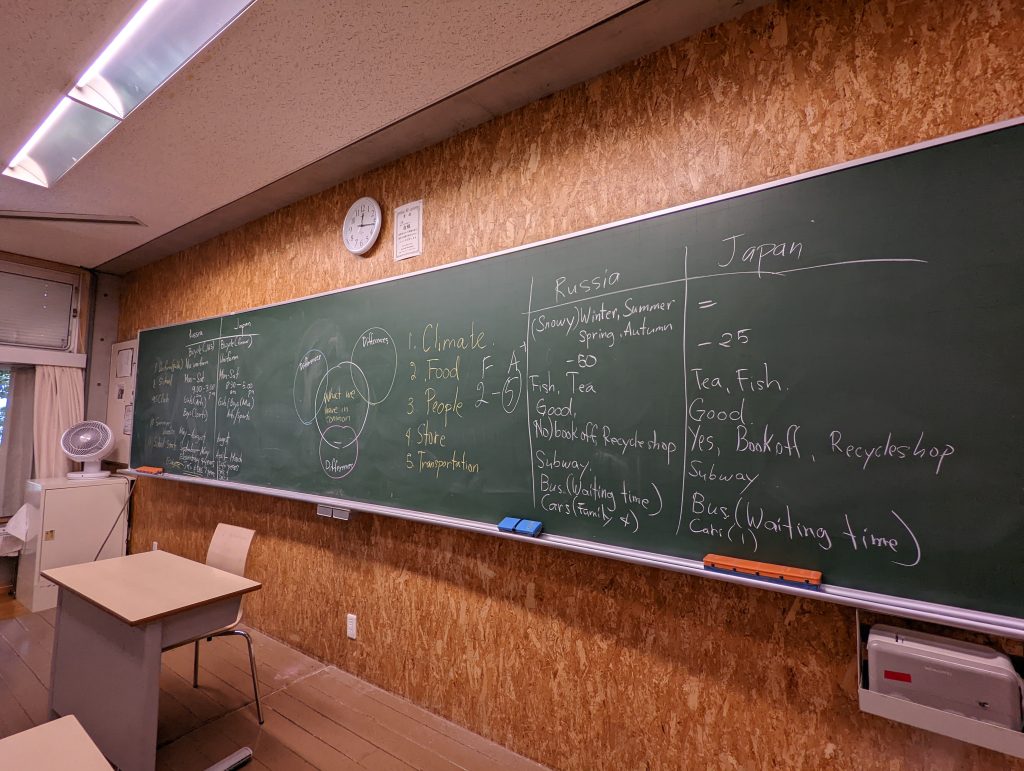
ALTs work in public schools, it’s what I have done for the past 5 years in Japan. ALTs follow a set curriculum and often work in teams, which can be appealing if you like clear rules and teamwork. You’ll help students improve their English but won’t decide the lesson content.
One of the pros of being an ALT is the sweet, sweet downtime (well, not always, but often). Some days, you might only have 2 or 3 classes, leaving you with plenty of “office hours” where you’re technically working… but not really. It’s the perfect chance to study Japanese, plan lessons, or secretly plot your side hustle *cough cough*—all while looking busy.
Quick Recommendation: Our blog is filled with tips and tricks for traveling in Japan. While living and working in Japan, I've had the pleasure of seeing this breathtaking place in Nagano. Some of the best onsen in Japan are in Nagano—it’s also where snow monkeys live their best spa life. Want to see them in action? Don’t miss this tour! ---> Nagano: Snow Monkeys, Zenkoji Temple & Sake Day Trip
And the cons? Oh, there are none. JK, JK. Let’s talk about the not-so-dark dark side. One downside is the lower salary—ALTs typically make 200,000 to 250,000 yen per month. Sure, with the weaker yen these days, it’s not exactly balling, but it’s enough to cover the basics and still have some fun during your downtime. Plus, rumor has it that eikaiwa teachers aren’t exactly raking it in either, so… perspective!
Another con? The loneliness, depending on where you’re placed and the vibe at your school. Even I, armed with some basic Japanese, thought I’d be fine—spoiler: it’s not always the case. Some days, the most meaningful interaction might be a quick “good morning” or small talk with an overworked teacher who’s too busy to chat. And those English-speaking teachers? They might not have the time (or energy) for deep conversations either.
But hey, every situation is different, so don’t take this as gospel—just a grain of salt to sprinkle on your expectations!
Eikaiwa Pros & Cons
Eikaiwa (English conversation school) teachers on the contrary, have more freedom to plan their lessons. They usually teach adults and students of all ages and levels. This allows for more personal conversations and lesson plans.
I have never worked in an eikaiwa so my input on this part will be brief. What does seem like a pro to me is that they’re less lonely than ALTs. With other English-speaking colleagues around, you’ve at least got someone to chat with about your day—or rant about that one student.
The downsides, though? Say goodbye to weekends off. Most eikaiwa students are kids coming after school or adults squeezing in lessons on their days off. And don’t even dream about those sweet, long ALT vacations—summer and winter breaks are a luxury eikaiwa teachers don’t get to enjoy. It’s a trade-off, for sure!
When choosing, do your homework on English teaching jobs in Japan. Look into the good and bad of each role to see where you fit best. Knowing these differences will help you pick a job that matches your skills and interests.
4. Saving Up Before You Move to Japan to Teach English

Getting ready financially is key when you plan to teach English in Japan. I agree, it may sound a little excessive for some but it’s wise to save between $3,000 and $4,000—or maybe a little less now with the low yen. I had to save up that much in 2019 when the yen and US dollar were more balanced out. Either way, saving money always acts as a safety net, helping you feel secure as you begin your new life.
This savings will cover your first costs, such as:
- Airplane tickets (most companies will not pay for your flight)
- Transportation when you arrive
- Everyday expenses for the first month
- Deposits for your place to live
Having enough savings is key to starting your new life in Japan stress-free. Keep in mind, you might not see your first paycheck until a month after you start working. With a couple thousand dollars in the bank, you can explore your new surroundings, enjoy the cultural differences, and settle in without constantly checking your wallet.
5. Accommodation: Consider a Share House
When moving to Japan for teaching, finding cheap places to live is essential. If you don’t have those $3,000 to $4,000 saved up, then share houses could be a good temporary option because they’re affordable. You get your own room in a big house, with others who might be locals or other foreigners.
Living in a share house is a great way to save money and make friends faster than if you were living solo. Most share houses cater to people in their 20s and 30s and come with shared spaces like kitchens and living rooms. You’ll still have your own private bedroom, but you’ll also have a built-in social circle—perfect for easing into your new life while staying comfy in your temporary home.
Conclusion: My Experience After 5 Years
Looking back on my five years in Japan, I see a journey filled with rewards and growth, but also a couple of mistakes that I could’ve avoided (a story for another post). From finding the right job to settling in, careful planning is essential.
Knowing the job market is key when you move to Japan to teach English. There are many teaching jobs out there. Over time, as you meet more people and network with other foreigners in Japan, you will discover more job opportunities.
I’m incredibly grateful for the friends I’ve made here—they’ve not only made life in Japan more fun but also helped me discover extra income opportunities beyond my main job. If you’re planning to move to Japan, prepare well and make an effort to connect with others. Good friends can turn your experience from “just okay” to truly amazing!
Thank you for reading! And as always, feel free to leave your comments down below or contact me anytime at chesco@japangeneration.com 🙂
Quick Recommendation: Our blog is filled with tips and tricks for traveling in Japan. While living and working in Japan, I've had the pleasure of seeing this breathtaking place in Nagano. Some of the best onsen in Japan are in Nagano—it’s also where snow monkeys live their best spa life. Want to see them in action? Don’t miss this tour! ---> Nagano: Snow Monkeys, Zenkoji Temple & Sake Day Trip
Affiliate Disclosure: Please note this post may contain affiliate links. By purchasing via these links, I may earn a small commission at no additional cost to you. It’s a big help to keep this site up and running and I only promote products and services that I personally use and trust. Thanks!