

When winter rolls around in Japan, there’s nothing better than gathering around a steaming hot pot for a comforting meal. Known as nabe, this ultimate winter comfort food brings warmth to both body and soul. From classic sukiyaki to regional twists like Ishikari nabe, this beloved dish is a staple of Japanese winters and a must-try for anyone craving delicious coziness.
Quick Recommendation: Our blog is filled with tips and tricks for traveling in Japan. If you're looking to save money on train travel and/or stay connected with a Pocket WiFi , we recommend the Japan Rail Pass.
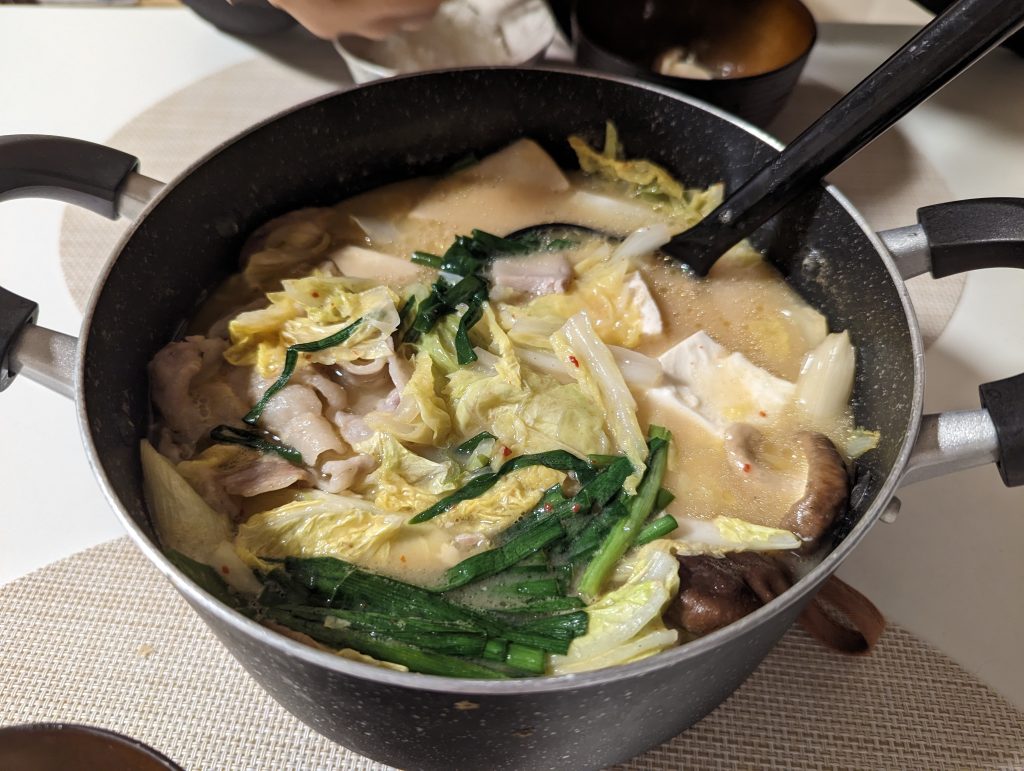
Nabe is more than just food; it’s a symbol of Japanese culture. It brings people closer and can be a fun social experience. Specially for people new to Japanese culture. I’ve even made it a routine in my home to cook it at least once a week, it’s super easy and satisfying!
The Tradition of Nabe in Japanese Winter
Nabe, or Japanese hot pot, is a big part of Japanese culture in winter. It’s a traditional Japanese meal that warms the body and brings people together. Families gather around a pot, sharing a hearty meal, a tradition passed down through generations.

Nabe is more than food; it’s a social ritual with a rich history. The Japanese hot pot tradition started centuries ago to fight the cold. Now, it symbolizes home comfort and community.
The communal aspect of nabe is key. At nabe gatherings, the hot pot is the centerpiece. Everyone adds ingredients and serves each other. The warmth from the pot and the laughter and conversation create a special atmosphere. Not only at family gatherings, but also friends and co-workers enjoy these “nabe parties” all throughout winter.
In the end, nabe is more than a dish. It’s a tradition that captures the spirit of winter. It provides nourishment and a way to connect with loved ones.
Popular Types of Nabe: From Shabu-shabu to Sukiyaki
Nabe is a key part of Japanese winter food. It comes in many flavors, loved by everyone. Shabu-shabu, sukiyaki, and chankonabe are top picks. They show off Japan’s rich food culture and different tastes.
Quick Recommendation: Our blog is filled with tips and tricks for traveling in Japan. If you're looking to save money on train travel and/or stay connected with a Pocket WiFi , we recommend the Japan Rail Pass.
Shabu-shabu is known for its thin meats. Everyone shares in this dish, cooking their meat in hot broth. They use vegetables and tofu too. After cooking, they dip it in ponzu or sesame sauce for extra taste.
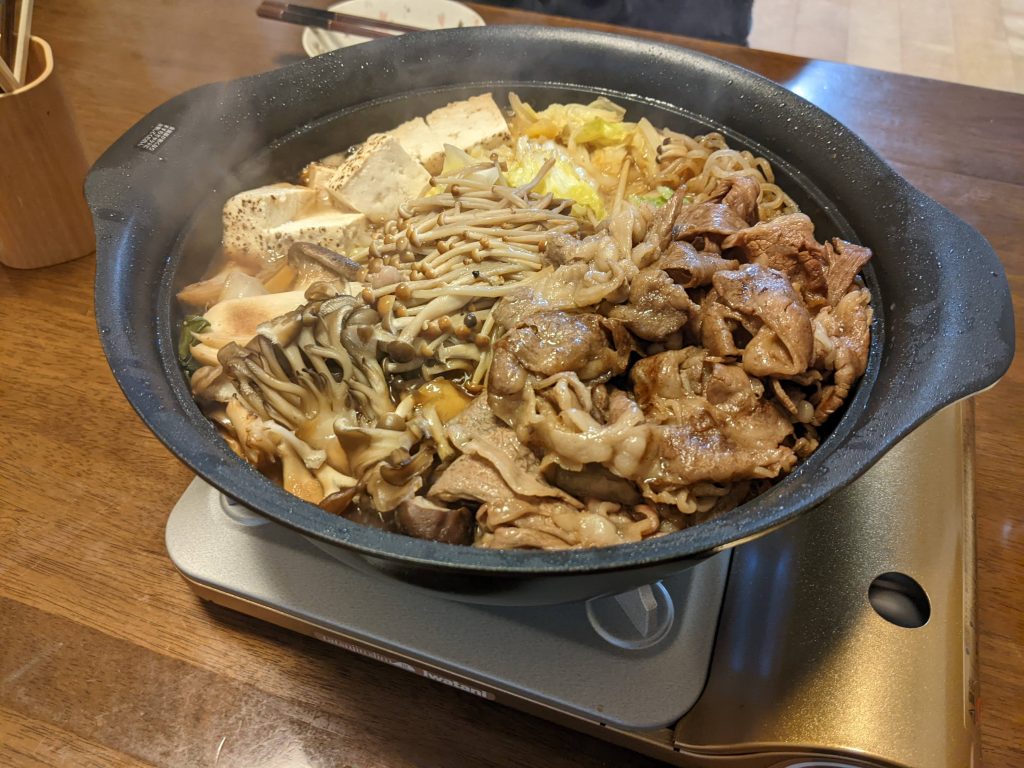
Sukiyaki is famous for its sweet broth and thin meats. It’s cooked with veggies, tofu, and konnyaku noodles. The special touch is dipping it in raw egg, making each bite smooth and rich.
Chankonabe is a big, protein-rich hot pot. It’s loved by sumo wrestlers. It has chicken meatballs, seafood, veggies, and tofu in a rich broth. The broth can be soy sauce, miso, or salt, depending on where you are.
Shabu-shabu, sukiyaki, and chankonabe each offer a special taste journey. Whether you enjoy sukiyaki’s sweetness or chankonabe’s hearty flavor, these dishes make winter nights special.
Importance of Ingredients in Japanese Hot Pot
The heart of Japanese cuisine, like in nabe recipes, is in picking the right hot pot ingredients. Fresh veggies, tender meats, and rich broths are chosen with care.
In a traditional nabe, every ingredient has a role. Leafy greens like bok choy, chinese cabbage, chives and root veggies like carrots and daikon radish add color and nutrients. Tofu, meats, and noodles bring protein and carbs, making the dish filling.
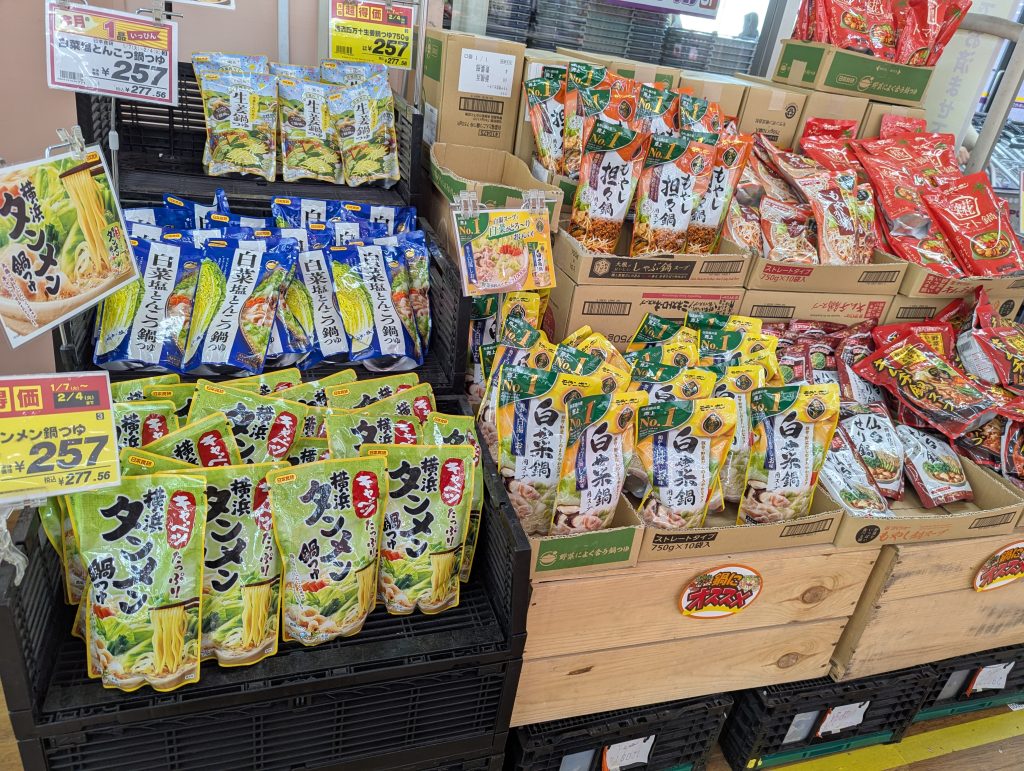
With so many varieties in broth and flavors, it’s no wonder that the Japanese never get bored with food (or variety TV segments on food). You can literally make a hot pot for 2 or 3 people using one of these pre-packaged broths and still have a bit leftover for the following day. That’s why I don’t shy away from cooking these at least once a week!
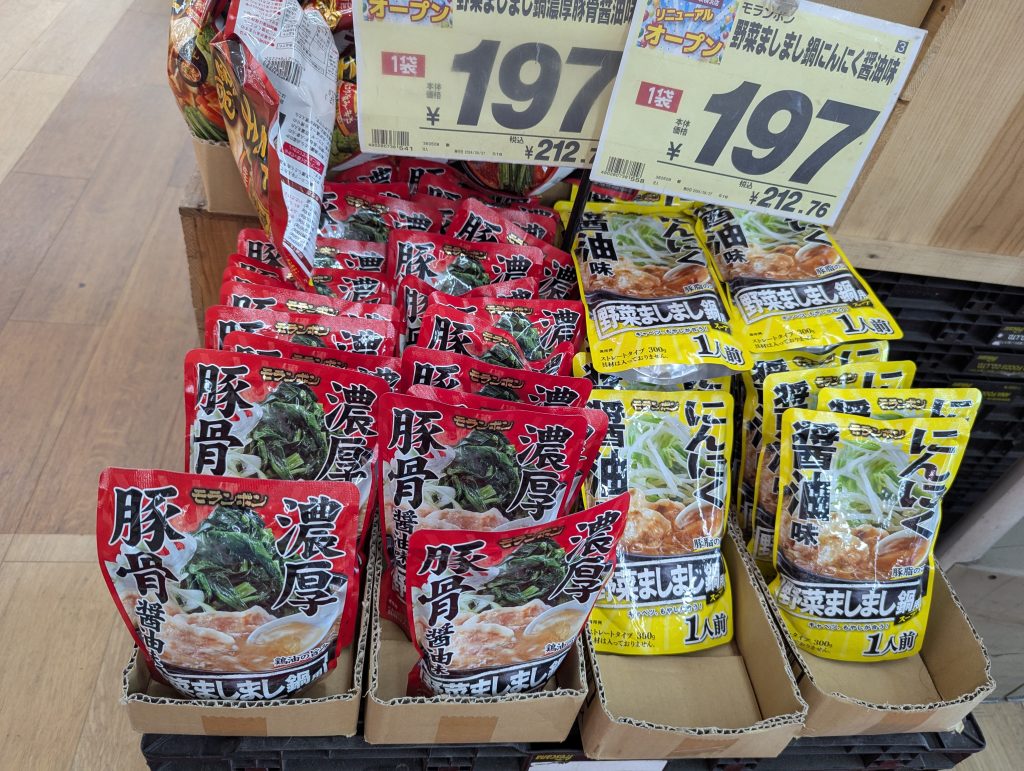
Nabe’s charm lies in its flexibility. The broth flavors’ diversity or whether you want the broth light or thick, is what makes nabe a favorite in Japan and abroad.
Regional Nabe Specialties
Japan’s diverse regions have unique nabe dishes that show off local flavors and ingredients. Let’s explore these fascinating dishes together.
In Hokkaido, the northernmost island, you’ll find Ishikari nabe. It’s a warm, hearty dish made with fresh salmon and a rich miso base. This mix is perfect for the cold weather. Filling it with vegetables like cabbage and daikon radish, also add to the umami flavor.
Heading south, Kyushu’s motsunabe takes center stage. This Fukuoka favorite is made with collagen-rich organs, like from beef or pork, in a flavorful soy broth. It’s often served with cabbage, garlic chives, and a spicy kick from togarashi peppers. Motsunabe shows how locals enjoy rich, comforting meals and use every part of the animal. May be a little too much if you’re not an adventurous eater.
These dishes show how Japanese cuisine changes with local climates and ingredients. Whether it’s Ishikari nabe’s seafood or Kyushu’s motsunabe, each dish reflects regional pride. They offer a taste of local culture and traditions, making nabe more than just a meal. It’s a celebration of Japan’s diverse regions. Now do you see why Japanese TV focuses so obsessively on food?
Conclusion
Nabe isn’t just food; it’s a warm hug in a pot. From rich sukiyaki to light shabu-shabu, it’s a crash course in Japan’s culinary diversity. Gather your crew, toss in fresh ingredients, and enjoy the magic of nabe—a tradition that turns any cold night into a celebration of comfort and flavor.
Thank you for reading! And as always, feel free to leave your comments down below or contact me anytime at chesco@japangeneration.com 🙂
Quick Recommendation: Our blog is filled with tips and tricks for traveling in Japan. If you're looking to save money on train travel and/or stay connected with a Pocket WiFi , we recommend the Japan Rail Pass.
Affiliate Disclosure: Please note this post may contain affiliate links. By purchasing via these links, I may earn a small commission at no additional cost to you. It’s a big help to keep this site up and running and I only promote products and services that I personally use and trust. Thanks!