

Imagine standing at Shinjuku Station, the busiest station in the world, on a Monday morning. The clock is ticking towards 7 AM. The crowd is growing, filling every space on the platform. You may have heard about Tokyo’s crowded subway, but nothing prepares you for the sea of people. This is rush hour in Tokyo. These are Japan’s train crowds we’ve all seen on social media.
When the train doors open, the march of the penguins begins. A sea of black and white suits as far as the eye can see. They are packed tight, with every inch used. For newcomers, it’s overwhelming, but for Tokyo’s millions, it’s just another day.
In Tokyo, being on time is key. Learning to navigate these crowds is a must. Let’s explore the challenges and smart ways to handle rush hour in Tokyo’s subway.
Quick Recommendation: Our blog is filled with tips and tricks for traveling in Japan. If you're looking to save money on train travel and/or stay connected with a Pocket WiFi , we recommend the Japan Rail Pass.
Understanding Japan’s Unique Train System
This system has evolved over years, shaping Tokyo’s public transport. It’s not just a network; it’s a well-oiled machine.
The Yamanote Line in Tokyo is a key part of this system. It connects major areas, essential for locals and tourists.
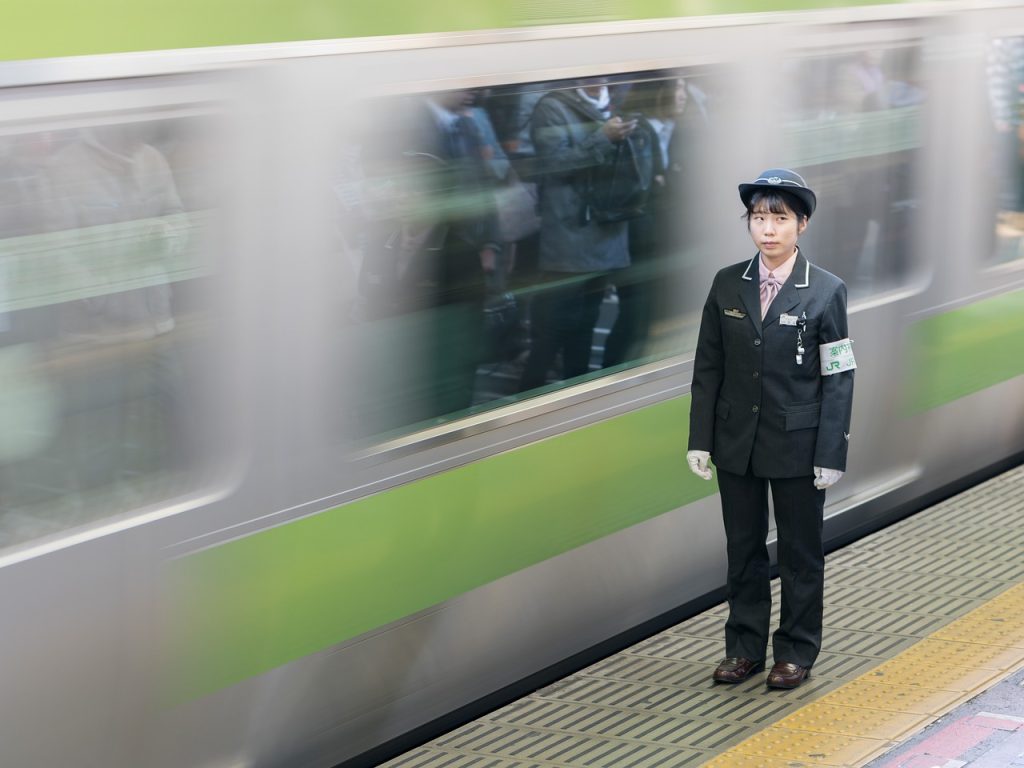
Japan’s trains are famous for being on time. Imagine waiting for a train that always arrives right on schedule. This precision has set high standards for the system, even during busy times.
The system’s efficiency goes beyond the trains. Tokyo’s public transport is designed for smooth travel. From navigating stations to connecting lines, everything is made easy (not always the case for tourists). As you get used to Japan’s commute, you’ll see how every detail is thought out.
What to Expect During Rush Hour
Traveling during Tokyo rush hour can be challenging, both for first-timers and locals. Rush hour in Japan is busiest from 7:00 A.M. to 9:00 A.M. on weekdays. The evening rush, from 5:00 P.M. to 8:00 P.M. is just as intense.
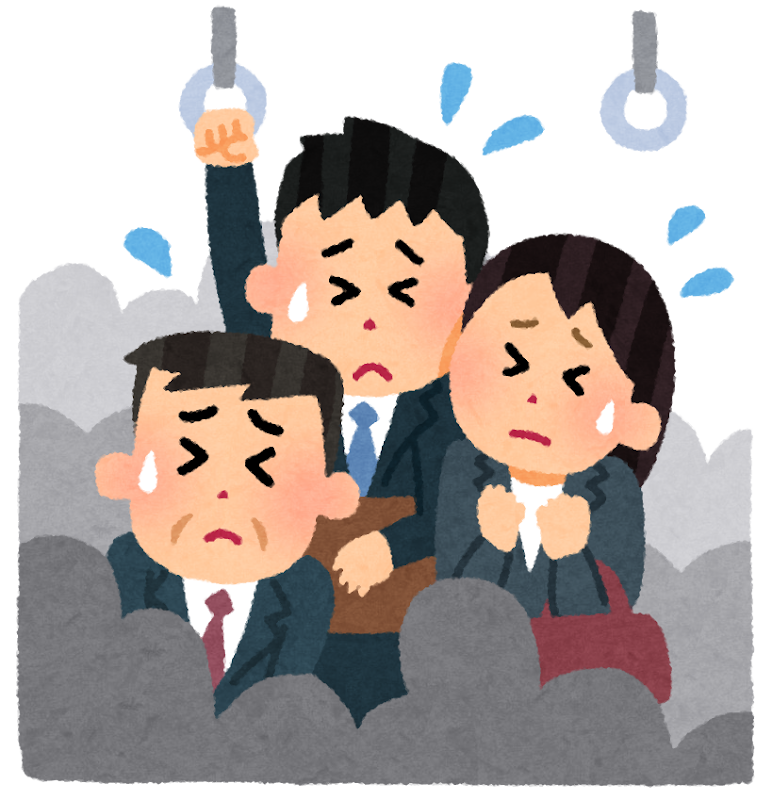
Expect trains to be very full during these times. Commuters are packed in tightly.
The level of congestion changes based on the train lines and stations. Places like Shinjuku, Shibuya, and Tokyo Station are the busiest. This is because they connect many lines.
Morning rush hour is usually more crowded than the evening. This is because many offices and schools start at the same time.
Weekdays are busier than weekends or holidays. Weekends are a good time for those not commuting. But, festivals or public holidays can also cause crowds.
Knowing when and where to avoid rush hour can help. Leaving before 6:30 AM or after 9:00 AM can be better. Or, consider working from home if you can.
In short, knowing when and where rush hour is worst can make your travel smoother. Whether you commute daily or are just visiting, knowing these tips is helpful.
Apps Are Your Best Friends
Japan train apps can help a lot. They show real-time schedules and routes. Apps like Navitime and Jorudan have features for different needs. Navitime is hands down my favorite and I’ve been using it every single day since I arrived. Google Maps, however, can come in handy sometimes too.
Here are some tips for your Japanese commute:
- Research and choose the best train lines ahead of time.
- Stay away from peak hours to avoid too many people.
- Get to know Japan train apps for up-to-date info.
With these tips, you can handle Japan’s daily commute with confidence.
Strategies for Surviving the Crowds
Dealing with crowded train cars can be tough. But, there are ways to make it easier. Here are some tips to help you find your space and stay calm.
- Arrive Early: Get to the platform a bit early. This can help you find a better spot.
- Plan Your Exit: Pick a car that will stop near the stairs at the station that you will get off at. Apps can usually help you choose wisely.
- Move Strategically: Once on the train, head to the middle. It’s less crowded there, away from the doors.
Quick Recommendation: Our blog is filled with tips and tricks for traveling in Japan. If you're looking to save money on train travel and/or stay connected with a Pocket WiFi , we recommend the Japan Rail Pass.
The Role of Station Staff
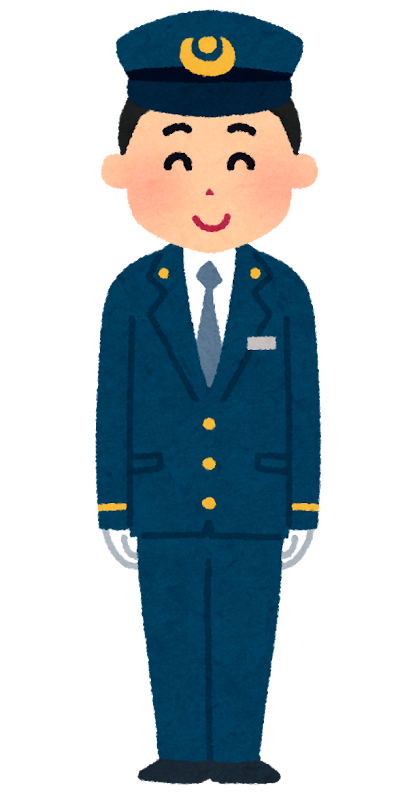
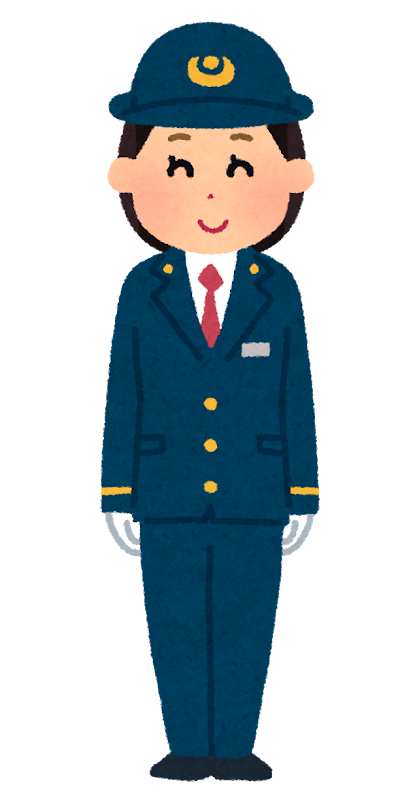
Japan station staff are key to the smooth running of the country’s busy transport system. They are vital during rush hour, managing crowds, keeping order, and ensuring safety for commuters.
The oshiya, or train pushers in Tokyo, have a unique role. They help passengers onto crowded trains to fit more people and keep schedules tight. Though it might seem odd, these workers are trained to do their job carefully, focusing on safety.
Station staff also handle safety measures. They control crowds, help passengers with disabilities, and make clear announcements. Their quick action and attention help keep everyone safe during busy times.
In summary, the hard work and skill of station staff are essential. They help manage the daily rush, making sure everyone can travel safely and efficiently.
Alternative Transportation Options
Looking beyond Tokyo’s busy train stations, you’ll find many other ways to get around. These alternative transportation in Tokyo options can make your city travels better.
- Buses: Tokyo’s buses might be slower due to traffic, but they’re clean, reliable, and comfy. They cover areas trains don’t reach and show off the city’s beauty.
- Cycling in Japan: For those who love to move, biking is a great choice. Tokyo is getting more bike-friendly with special lanes and services like bike share apps. It’s easier to explore the city on a bike.
- Ridesharing in Tokyo: JapanTaxi and Uber are good alternatives to public transport. They will cost more than trains and sometimes get stuck in traffic, but they’re personal and direct.
Trying out these options can help you find the best way to travel in Tokyo. Whether by bus, bike, or rideshare, each has its own perks.
Tips for First-Time Visitors
Traveling in Japan for the first time can be overwhelming, with its complex train system. Here are some Japan travel tips to make your journey smoother and more enjoyable.
- First, understanding train ticketing in Japan is key. You can buy tickets from machines the old school way at the station, which have an English option or get the Suica App on your smartphone, which is what the majority of people do nowadays. For tourists, getting a Japan Rail Pass is a good idea as well. It lets you travel unlimited on JR lines for a set period.
- If you miss your train, don’t worry. Most tickets let you board the next train without extra cost. Just check the details to avoid surprises.
- Japanese train etiquette is important to follow. Always line up and wait for passengers to get off before you board. Keep your voice down or avoid phone calls to respect others. Remember, priority seats are for the elderly, disabled, and pregnant women. Give up your seat if someone in need boards. Seriously, watching how people behave on Japanese trains is like a crash course in the nation’s culture—so much order, so little chaos. Hard to put into words, but don’t worry, I’ll dish out a full breakdown in a future post!

By following these tips and understanding train ticketing, you’ll travel more efficiently. You’ll also show respect for local customs. This will help you blend in and enjoy a pleasant travel experience.
The Benefits of Mass Transit in Japan
Japan’s mass transit system is packed, but it has many benefits. Some say trains are great for the environment because they cut down on carbon emissions.
Others say the train network boosts Japan’s economy. It makes transportation fast and reliable for millions. Metropolitan areas like Tokyo and Osaka grow because of this, helping businesses and the economy which hasn’t been improving much these days.
Traveling by train in Japan is a lesson in community—just not the “kumbaya, hand-holding” type. It’s more like a silent agreement to follow the rules and not make anyone’s day worse. Sure, you won’t feel any deep connection with the strangers around you, but there’s a peaceful vibe when everyone’s too polite to ruin the commute.
So, the next time you’re in a crowded train, think about the big picture. Trains are good for the planet and society. They offer many benefits beyond just getting from point A to point B.
Exploring Off-Peak Travel
In Japan, rush hour can definitely be too much. For a calmer trip, try off-peak travel in Japan.
Off-peak hours are great for a peaceful discovering Japan by train experience. Trains are less busy, so if you’re lucky or in small numbers, you can sit and enjoy the views. It’s also a good time for day trips from Tokyo to explore Japan’s secret spots.
Here are some tips for off-peak travel in Japan:
- Plan Ahead: Check train schedules for off-peak hours, usually late morning to early afternoon.
- Explore Lesser-Known Destinations: Visit places like Nikko, Kamakura, or Hakone for a memorable day trip from Tokyo.
- Pack Light: Light luggage makes it easier to move around and find a seat on the train. Check out these packing tips!
- Utilize Rail Passes: Japan Rail Passes offer unlimited travel, letting you explore freely.
Choosing off-peak travel in Japan means avoiding crowded trains. You also get to see the country in a new light. It’s the perfect way to enjoy discovering Japan by train and exploring on day trips from Tokyo.
Conclusion: Embracing the Rush Hour Experience
Japan’s peak-hour trains are less about “cultural immersion” and more about testing your patience and personal space limits. The packed cars and perfectly lining up at the platforms are more like urban life choreography—organized chaos with a dash of polite discomfort.
No matter how uncomfortable it may get, just remember how mind-blowing and efficient Japan’s train system is , and the unspoken commuter etiquette? A masterclass in “we’re all in this together, silently.” So, embrace the hustle, enjoy the squeeze, and find beauty in the chaos—because nothing says “crowd control” like standing nose-to-armpit with a stranger on a speeding train.
Thank you for reading! And as always, feel free to leave your comments down below or contact me anytime at chesco@japangeneration.com 🙂
Quick Recommendation: Our blog is filled with tips and tricks for traveling in Japan. If you're looking to save money on train travel and/or stay connected with a Pocket WiFi , we recommend the Japan Rail Pass.
Affiliate Disclosure: Please note this post may contain affiliate links. By purchasing via these links, I may earn a small commission at no additional cost to you. It’s a big help to keep this site up and running and I only promote products and services that I personally use and trust. Thanks!