

In 2019, Hiroshima welcomed 12.8 million visitors. The city has completely changed from a place of tragedy to a symbol of peace and culture. I visited in 2023 for the first time and I was not disappointed! As you explore Hiroshima, you’ll go from sadness to hope. You will learn that there is more to this city than history; its culture, sights, and tastes will delight and charm you.
Start your visit with the Hiroshima Peace Memorial Park & Museum. A reminder of hard times but also a symbol of hope. Then, visit Miyajima Island for its famous ‘floating’ Torii gate, showing the blend of old and new. Don’t miss the Okonomiyaki Village for tasty local food and Hiroshima Castle for a glimpse into the feudal past.
Each place is a piece of Hiroshima’s story. You’ll see how the city’s past and present come together. This guide will help you experience Hiroshima’s rich history and lively culture.
Quick Recommendation: Our blog is filled with tips and tricks for traveling in Japan. If you're looking to save money on train travel and/or stay connected with a Pocket WiFi , we recommend the Japan Rail Pass.
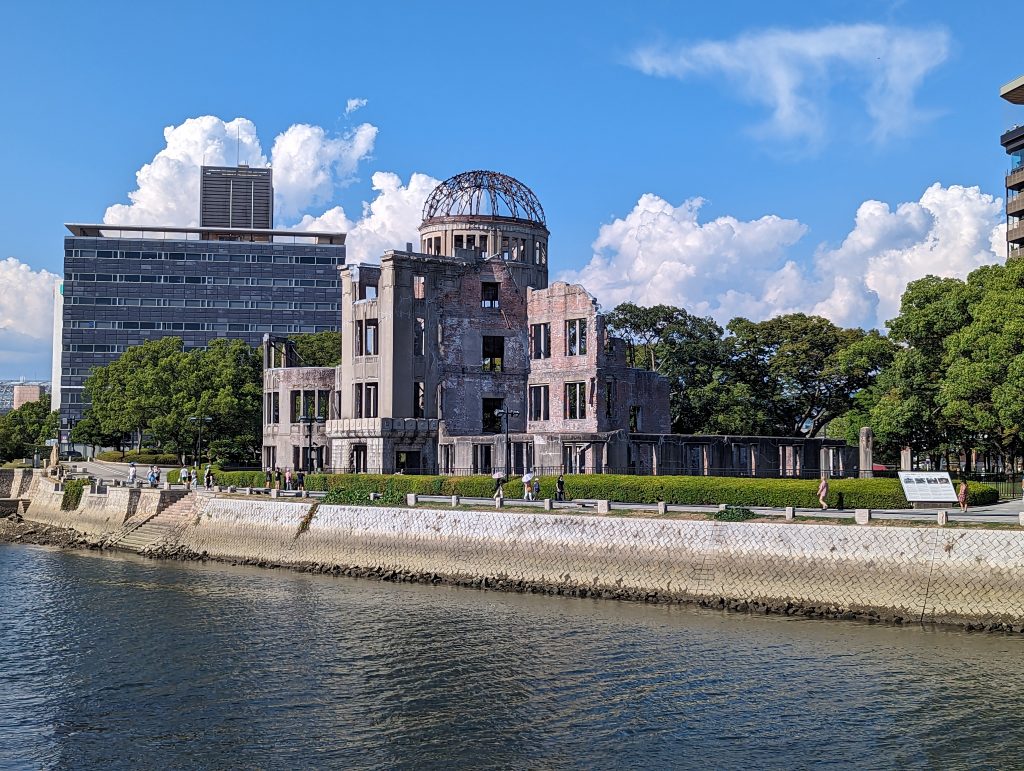
The Profound Impact of Hiroshima’s Past
Starting your Hiroshima history tour, you’ll find stories everywhere. From feudal times to World War II, each corner of the city has a tale. Visiting Hiroshima’s historical sites is more than just following history. It’s about seeing how these moments shaped Hiroshima into a symbol of peace and strength.
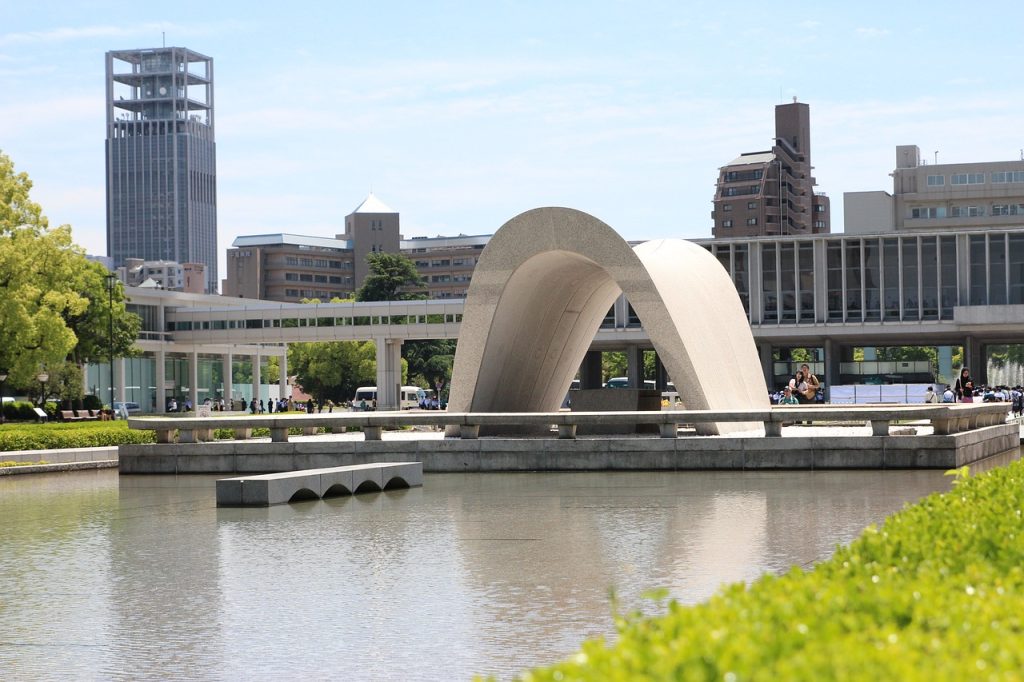
Walking through Hiroshima, you may initially feel like in any other ordinary city with tourists and locals going about their day. Yet, there’s a sense of peace and remembrance that fills the air. Here’s how Hiroshima’s past has deeply influenced its culture and history:
- Hiroshima Peace Memorial Park & Museum: At the heart of the atomic blast, this place shows the deep loss and the strong push for peace. It’s a powerful reminder of humanity’s destructive power and the hope for peace.
- Miyajima Island: Famous for its beauty and Itsukushima Shrine, the island also tells of the region’s spiritual and cultural growth over centuries.
- Okonomiyaki Village: Dive into Hiroshima’s food history at Okonomiyaki Village. Here, you can enjoy the local savory “pancake” that has been loved since the post-war era.
- Hiroshima Castle: Rebuilt after the war, the castle lets you explore Hiroshima’s samurai past. It shows how the feudal era shaped the region.
Going on a Hiroshima history tour does more than teach you. It connects you with the city’s past, making you think deeply about history’s effects and the need for peace. Each stop on your tour adds a piece to Hiroshima’s rich heritage. It turns each landmark into a story to be told and remembered.
Hiroshima Peace Memorial Park: A Symbol of Hope
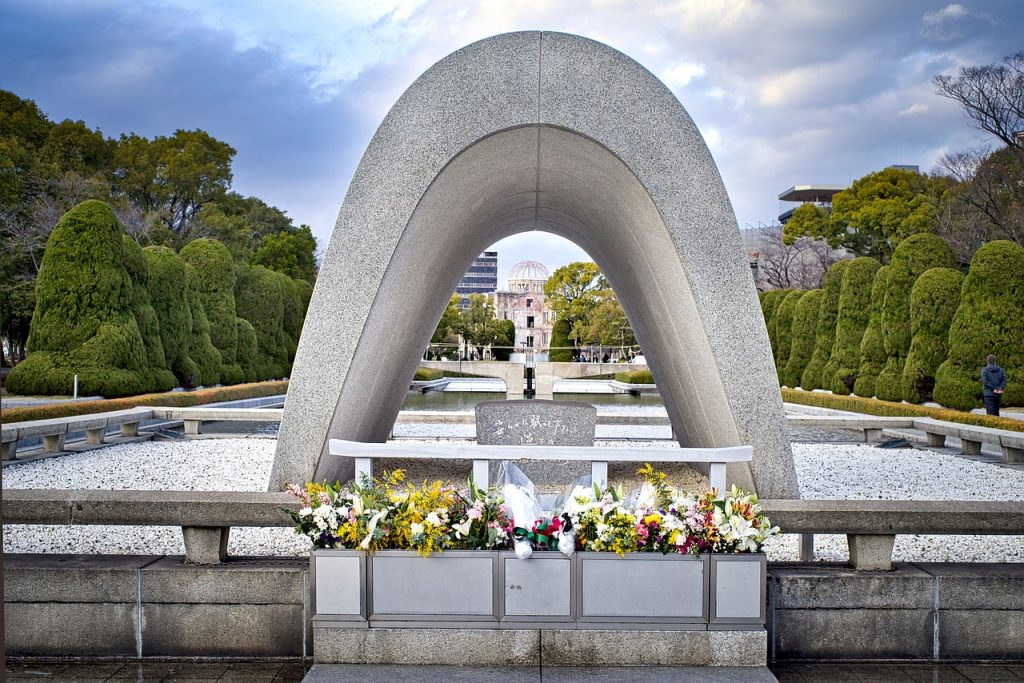
When you enter Hiroshima Peace Memorial Park, you step into a place of deep meaning. This park honors the victims of the atomic bomb in 1945. It shows the strength and hope of Hiroshima’s people, making it a key spot for visitors.
The park has many important monuments. The Hiroshima Peace Memorial, or Atomic Bomb Dome, is the most famous. It’s a UNESCO World Heritage site that reminds us of nuclear war’s destruction and calls for world peace. Other monuments include:
- The Children’s Peace Monument honors Sadako Sasaki and many innocent children who died in the bombing. It features colorful paper cranes, symbols of peace and hope worldwide.
- Walking through the park’s green spaces is a moment for reflection. The beautiful plants and trees symbolize new beginnings and growth.
- The Flame of Peace burns until all nuclear weapons are gone. It sends a strong message of hope for a peaceful world.
Visiting Hiroshima Peace Memorial Park is a moving and educational journey. Specially when you walk through the museum displaying the horrors of war and the hope for peace. It’s a key attraction in Hiroshima, welcoming visitors from everywhere to learn, remember, and think deeply.
A Step Back in Time at Hiroshima Castle
When you visit Hiroshima, a trip to Hiroshima Castle is a must. It offers a stark contrast to the city’s modern look. This magnificent castle, known as Carp Castle, is a key spot for history lovers. It takes you back to the samurai era and feudal times.
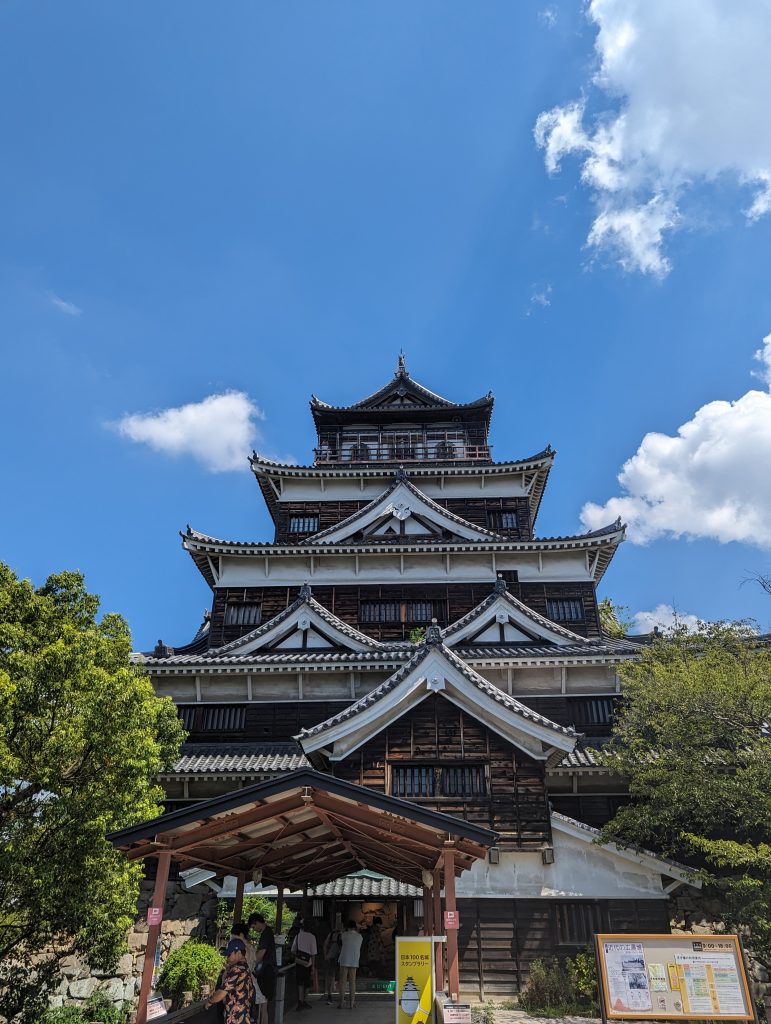
The castle was first built in the 1590s but was rebuilt after the atomic bomb in 1945. Now, it’s a symbol of Hiroshima’s strength and comeback. It’s a top spot for those interested in Hiroshima’s culture and its journey from tragedy to triumph.
- Explore the main keep, which houses an informative museum detailing the history of Hiroshima before World War II.
- Admire the traditional Japanese architecture and the surrounding moat, which reflect the castle’s original defensive purposes.
- Enjoy panoramic views of Hiroshima city from the top floor of the castle.
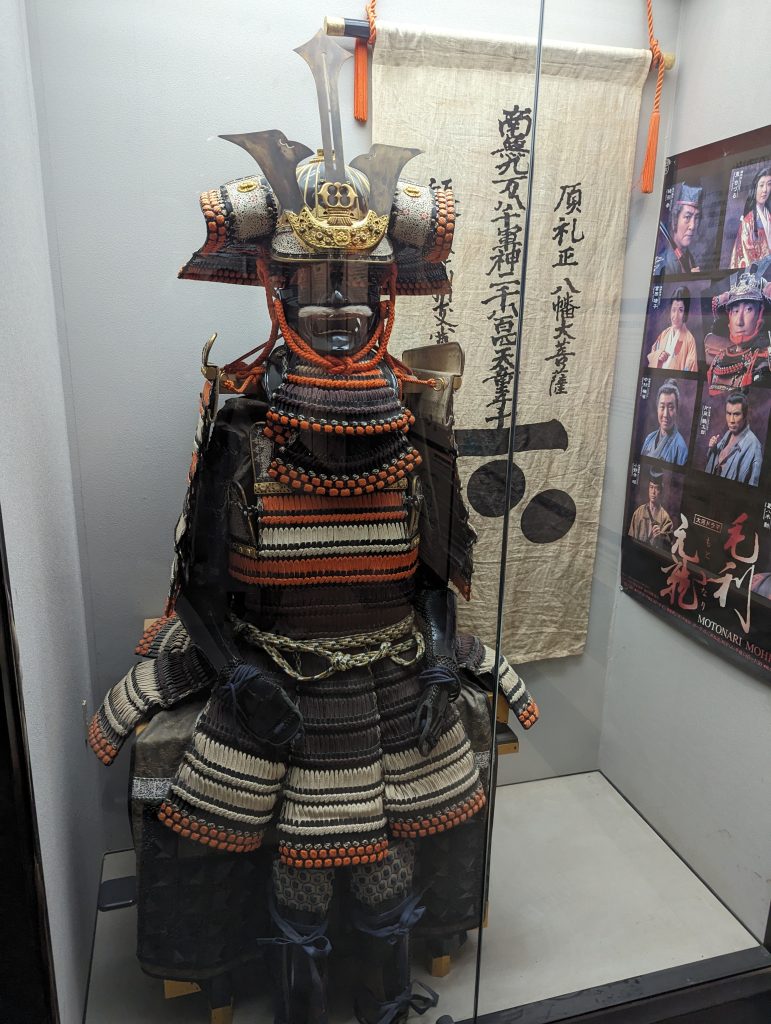
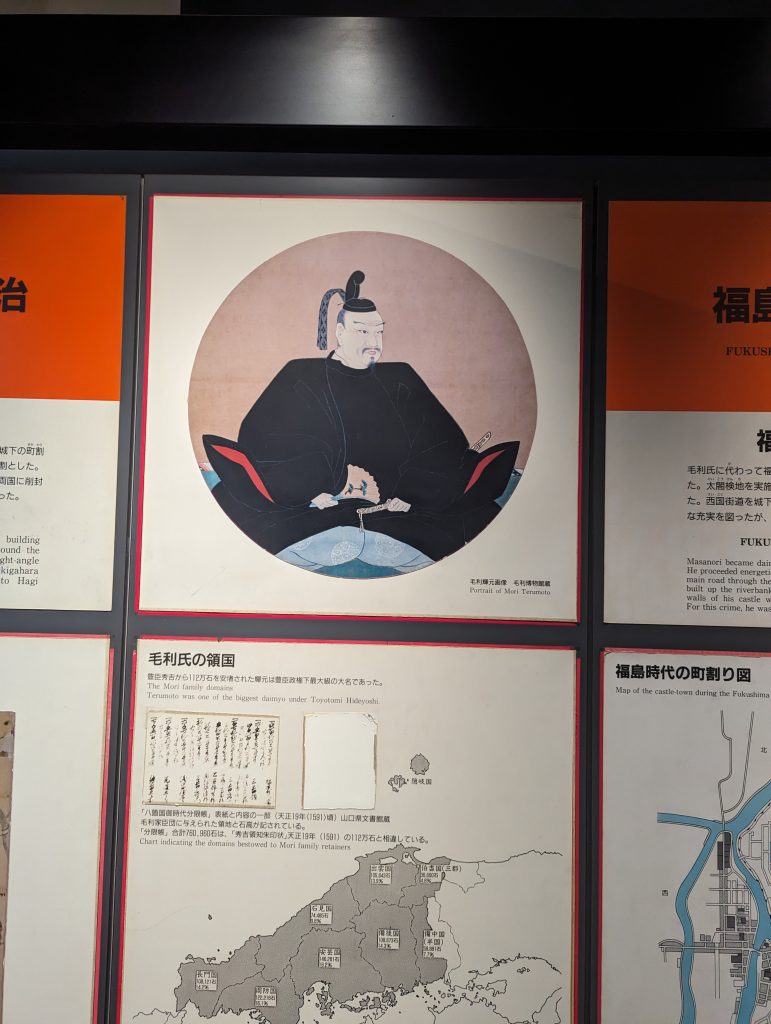
For history lovers, you’ll be able appreciate so many displays like the ones in the photos above and learn more about the feudal samurai days. The castle is a brief visit that won’t take much out of your day, with 5 floors you can probably see everything within one hour.
Miyajima Island: A Serene Escape
Just off Hiroshima’s coast, Miyajima Island is a must-see. It offers stunning views and a calm atmosphere. This island is more than a place; it’s an experience.
As you take the ferry, the city’s noise fades away. Miyajima Island is known for its beauty and spiritual value. It’s one of Japan’s most scenic spots.
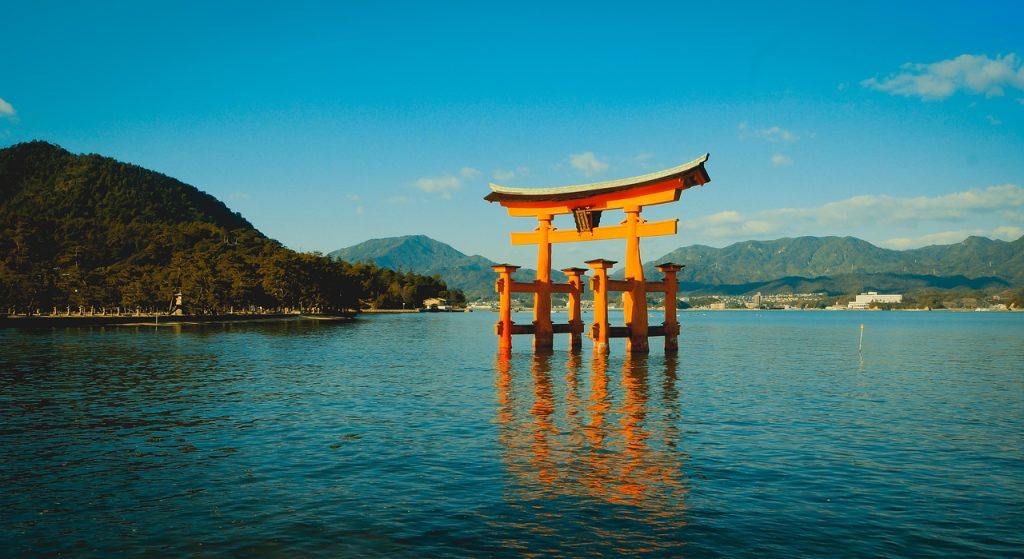
- The floating torii gate, or Itsukushima Shrine, is a sight to behold. It looks like it’s floating on water at high tide. It’s a great photo spot and a symbol of the island’s spiritual importance.
- Walk along the beach or explore the island’s interior. You’ll find friendly deer who love to say hello.
- Check out the traditional shops and try local foods. Don’t miss the Miyajima oysters, known for their taste.
Miyajima Island is perfect for a peaceful break or to learn about Japan’s culture and nature. It’s a top spot for tourists in Hiroshima.
Quick Recommendation: Our blog is filled with tips and tricks for traveling in Japan. If you're looking to save money on train travel and/or stay connected with a Pocket WiFi , we recommend the Japan Rail Pass.
Visit during the right tide times to see the torii gate’s magical transformation. This island’s beauty and culture make it a key part of any Hiroshima trip. We will dive a little deeper into Miyajima Island and it’s charms on our next post so stay tuned!
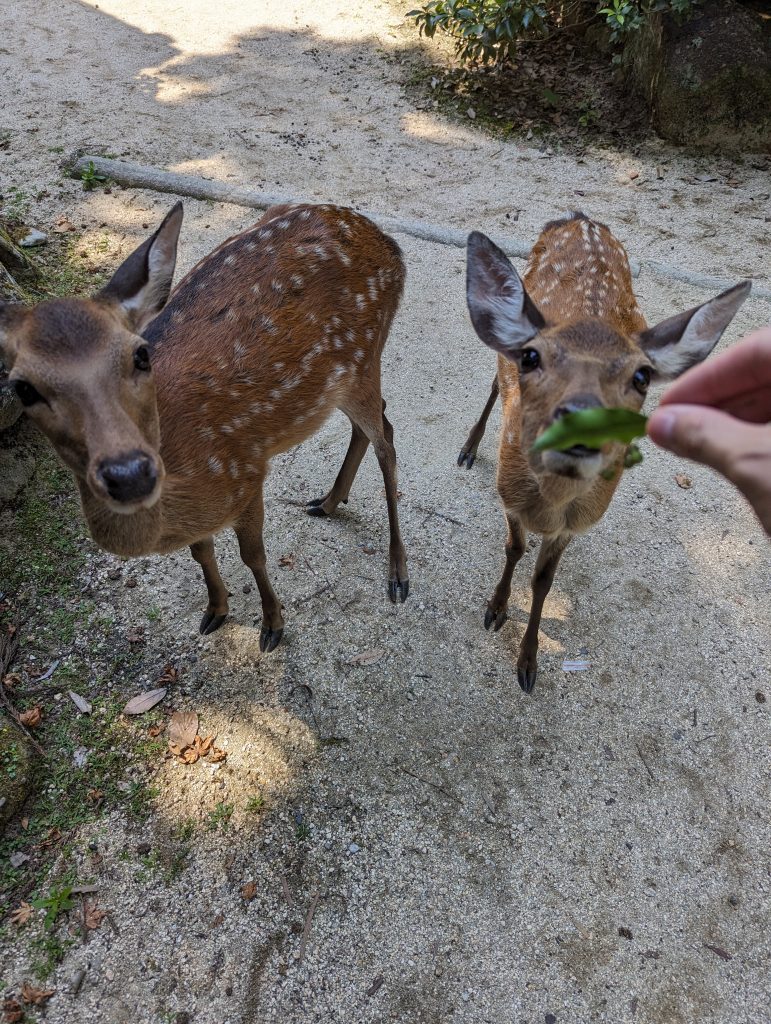
Another awesome thing about Miyajima? The wild deer that casually wander around like they own the place. Unlike Nara Park, you can’t feed them here—Miyajima’s deer are on a strict “no snacks from tourists” diet. But don’t worry, they’ll still come up, give you their best Bambi eyes, and act like they’re your new island tour guides. It’s like having furry locals showing you around!
Hiroshima’s Culinary Delight: Okonomiyaki
Even if you only have 1 day to explore Hiroshima’s lively streets, a stop at Okonomiyaki Village is a must. It’s a place where local food meets global tastes, offering a dish loved by all: Okonomiyaki.
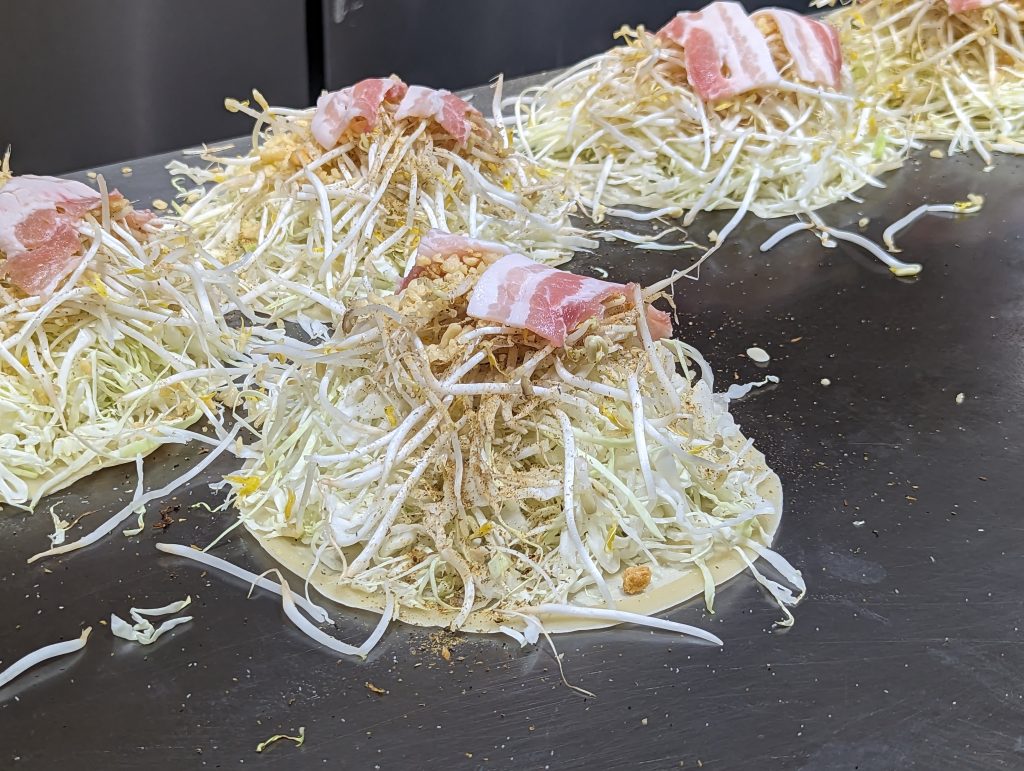
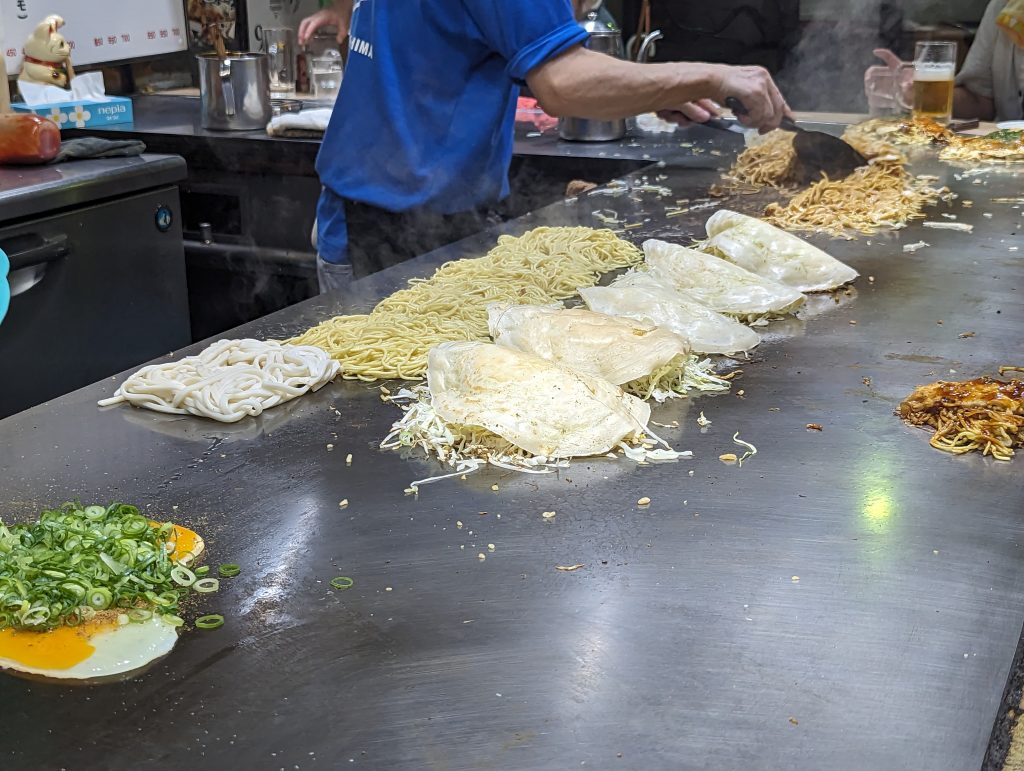
Okonomiyaki is a Japanese savory pancake-like food made with a batter, cabbage, pork, shrimp, and a special sauce. Hiroshima’s version is special. Ingredients are layered, not mixed, giving it a unique taste and texture. Also, Hiroshima’s version has yakisoba noodles in it.
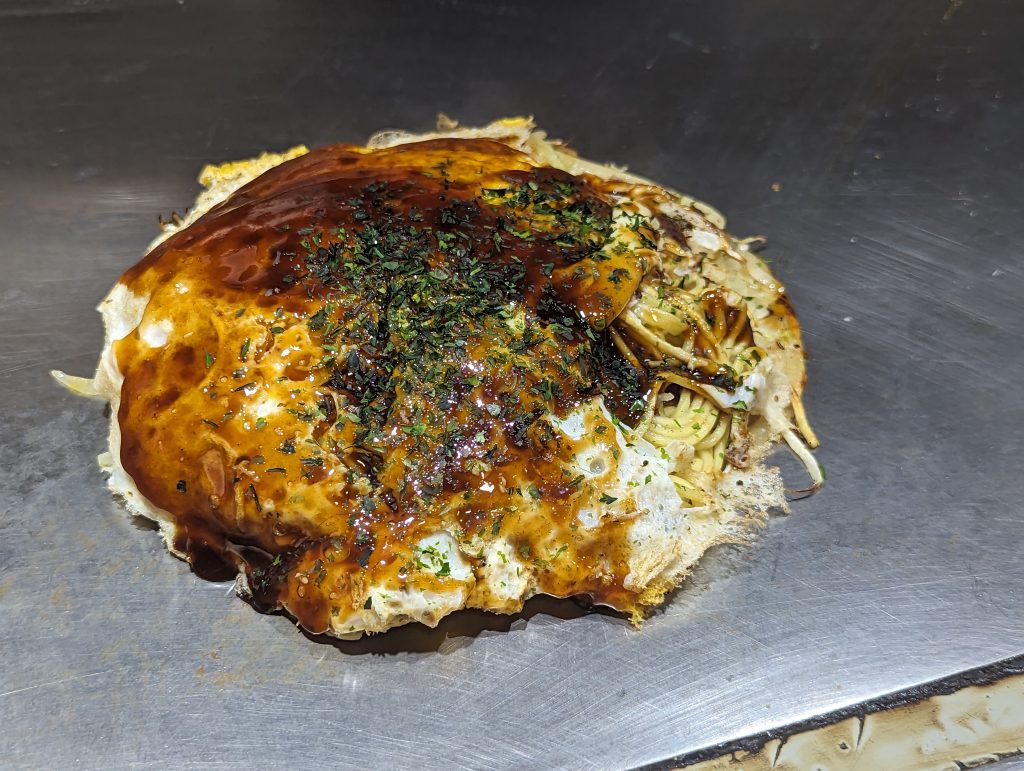
- Start your culinary adventure at Okonomiyaki Village, where the air is thick with the aroma of sizzling batter and toppings melding together.
- Watch as skilled chefs craft each Okonomiyaki on a teppan, or iron griddle, right before your eyes, a testament to Hiroshima’s rich culinary culture.
- Taste the variety, from classic styles to more inventive creations, each telling its own story of the region’s flavors.
This culinary experience is more than just a taste. It’s a journey into Hiroshima’s food culture. It’s a mix of flavors that shows the heart of Hiroshima’s culinary delights. By the time you leave, you’ll be stuffed with memories and a new obsession for Hiroshima’s epic food scene. When I went, I ate Okonomiyaki 3 days in a row!
Unveiling the Stories of the Hiroshima Memorial Museum
Within the Hiroshima Peace Memorial park, you will find the Memorial Museum. When you enter the Museum, you’re met with a powerful story. It shows the devastating effects of the atomic bombing. This museum is a key part of Hiroshima’s history, focusing on peace and the past.
The Hiroshima Memorial Museum is more than just an exhibit. It’s an experience that educates and touches your heart. Each piece tells a story, showing how lives were changed by the 1945 tragedy.
- Explore detailed displays about life in Hiroshima before the bombing.
- Witness the immediate devastation caused by the atomic attack through vivid photographic evidence.
- Learn about the resilient recovery and the pursuit of peace in the years following the catastrophe.
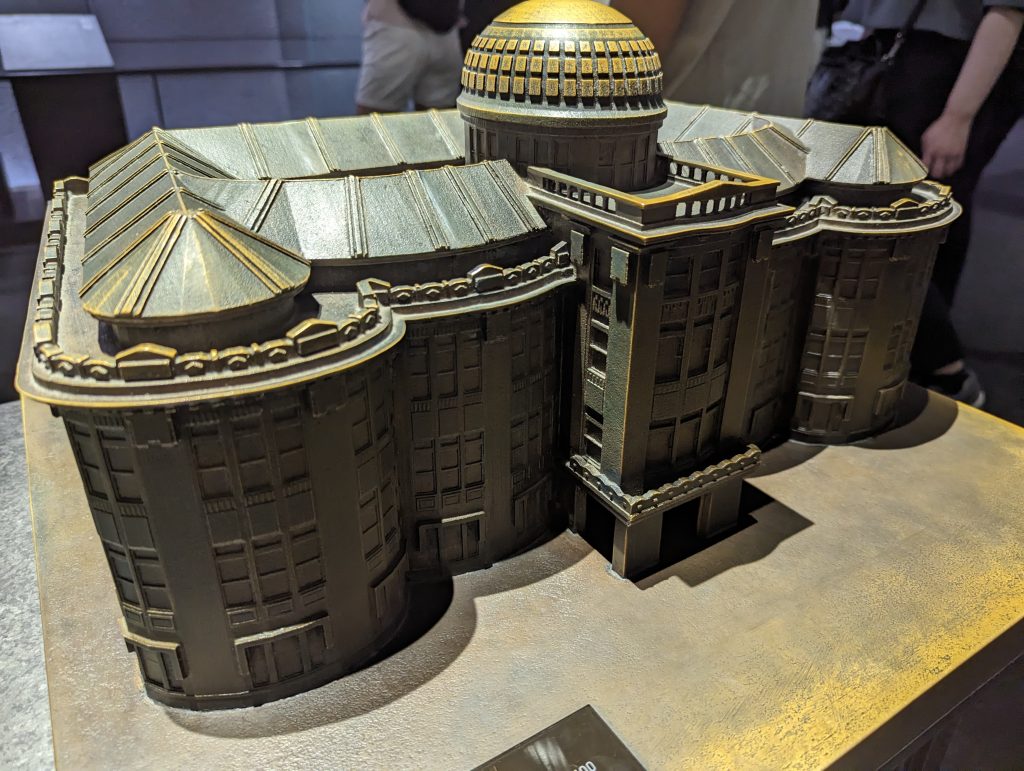
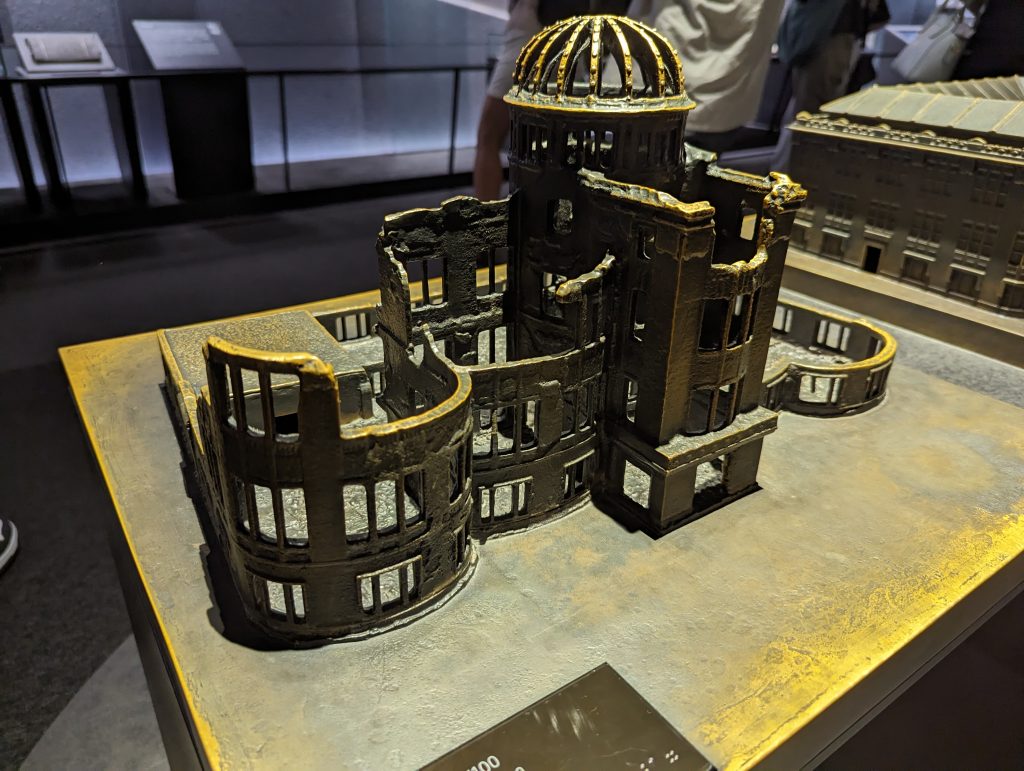
The museum is a key tool for learning, stressing the need for nuclear disarmament. It shows the importance of keeping peace. It’s a vital site for understanding war’s harsh realities and humanity’s strength.
Visiting the Hiroshima Memorial Museum is more than just learning history. It makes you feel a deep responsibility to work for peace. Make this stop a cornerstone of your Hiroshima journey and let its message resonate long after you leave.
I was incredibly moved by what I saw and decided to check out a manga series called “Barefoot gen” (“Hadashi no Gen” in Japanese), which highlights the horrors of war, the aftermath of the Hiroshima atomic bombing, and the resilience of the human spirit through a child’s perspective.
Navigating Hiroshima’s Cultural Landmarks
If you have time for some Hiroshima side quests, then these cultural landmarks are a must. The city has more than just the famous Hiroshima Peace Memorial Park and Museum. There are many hidden gems that show off Hiroshima’s art and culture. By following these tips, you’ll see all the cultural wonders Hiroshima has to offer.
- Hiroshima City Museum of Contemporary Art: This museum is in Hijiyama Park and is perfect for art lovers. It showcases modern and innovative art in a calm place.
- Ebisu Street: Take a walk on Ebisu Street to see local life. You’ll find unique shops, cafes, and cultural events that show Hiroshima’s city vibe.
- Fukuro-machi Park: This park is small but holds a big piece of Hiroshima’s history. It’s often missed by tourists but has touching exhibits in a peaceful setting.
- Gate of Peace: Near the Peace Memorial Park, the Gate of Peace is a symbol of hope. It deeply connects with Hiroshima’s story.
Exploring Hiroshima is more than just looking. It’s about feeling the city’s history through these landmarks. You’ll learn about the past and see how Hiroshima has come back to life.
Hiroshima Travel Tips: Maximizing Your Visit
Traveling to Hiroshima is a deeply enriching experience. To get the most out of your visit, follow this guide. It’s packed with essential tips for Hiroshima.
- Best Times to Visit: Spring (March to May) and autumn (September to November) are the best times. You’ll enjoy mild weather and see beautiful cherry blossoms and autumn leaves.
- Local Customs: Respect is key in Japanese culture. Remember to bow slightly when greeting and be on time.
- Transportation Tips: Hiroshima is easy to get around with the Hiroden streetcar (tram) system. It’s affordable and convenient. Consider getting a one-day pass for unlimited rides.
The best Hiroshima guide is about more than just seeing sights. It’s about experiencing the local culture, trying unique foods, and learning about its history. This will make your trip unforgettable.
Conclusion
As your Hiroshima adventure wraps up, let’s reflect on the highlights: Peace Memorial Park’s powerful history, Hiroshima Castle’s charm, and Miyajima’s serene vibes. Oh, and don’t forget the Okonomiyaki—a taste you won’t forget anytime soon.
Hiroshima’s story is one of resilience—a city reborn from devastation into a vibrant hub of culture and life. It’s a reminder of humanity’s strength, our capacity to heal, and our shared pursuit of peace.
Here’s hoping your time in Hiroshima left you inspired, well-fed, and a little more in awe of history’s lessons (and delicious pancake-like creations).
Quick Recommendation: Our blog is filled with tips and tricks for traveling in Japan. If you're looking to save money on train travel and/or stay connected with a Pocket WiFi , we recommend the Japan Rail Pass.
Affiliate Disclosure: Please note this post may contain affiliate links. By purchasing via these links, I may earn a small commission at no additional cost to you. It’s a big help to keep this site up and running and I only promote products and services that I personally use and trust. Thanks!